BLOG
ブログ
NEW
2026.10.17
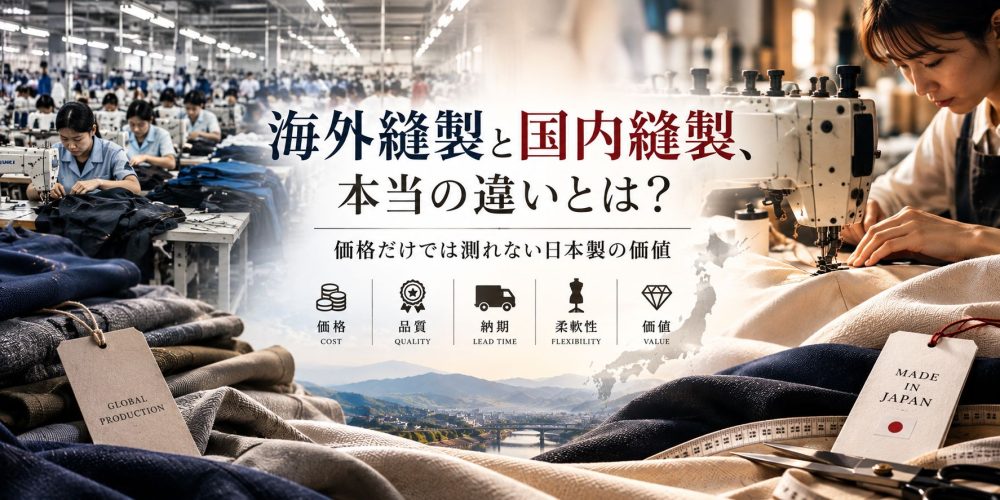
海外縫製と国内縫製、本当の違いとは?価格だけでは測れない日本製の価値
1.加工賃の違い|安いことが必ずしも最良の選択とは限らない
海外縫製と国内縫製を比較する際、最初に注目されるのが加工賃です。 一般的に、人件費の低い国で大量生産する場合、日本国内よりも低い縫製コストを実現できるケースがあります。 特に、仕様が標準化され、まとまった数量を継続的に生産する商品では、海外生産のコスト競争力が大きな強みとなります。 しかし、製品の原価は縫製工賃だけで決まるものではありません。 生地や副資材の調達費、サンプル製作費、仕様変更費、輸送費、通関費、検品費、再加工費、在庫保管費など、さまざまな費用が発生します。 例えば、海外で大量生産した商品が予定どおりに販売できなかった場合、売れ残りによる値引きや在庫処分が必要になることもあります。 反対に、国内で必要な数量を段階的に生産できれば、製品単価が高くても在庫リスクを抑えられる可能性があります。 もちろん、すべての商品で国内生産が有利になるわけではありません。 重要なのは、縫製単価ではなく、商品が販売されるまでの総コストで比較することです。2.品質の違い|「日本製だから高品質」だけでは通用しない時代
日本の縫製工場は、長年にわたり繊細な縫製や丁寧な仕上がりを強みとしてきました。 しかし、海外工場の技術力も大きく向上しています。 最新設備を導入し、高度な品質管理体制を整えた海外工場も数多く存在します。 したがって、「日本製なら必ず高品質」「海外製だから品質が劣る」といった単純な比較は適切ではありません。 実際の品質を左右するのは、各工場の技術力、設備、工程管理、検品体制、そして仕様に対する理解度です。 そのうえで、国内縫製には、製造現場との距離の近さを活かせるという利点があります。 例えば、高級婦人服では、数ミリ単位の縫製の違いが、シルエットや着心地に影響することがあります。 薄地、シルク、伸縮性の高いハイテンション素材などは、それぞれの特性を理解し、適切な縫製方法を選択する必要があります。 こうした細かな調整を、ブランド担当者と製造現場が直接確認しながら進めやすいことは、国内生産の大きな価値の一つです。 品質とは、完成品の見た目だけではありません。企画意図を正しく理解し、安定した品質で再現し続けることも重要です。3.サンプル製作と仕様変更|商品開発のスピードを左右する違い
アパレルの商品開発では、最初のサンプルがそのまま量産に進むとは限りません。 実際にサンプルを製作すると、さまざまな修正が必要になることがあります。 「袖のシルエットをもう少し調整したい」 「ウエストのフィット感を改善したい」 「素材を変更したため、縫製方法を見直したい」 「縫い代やステッチの仕様を変更したい」 こうした調整は、特に高級婦人服やデザイナーズブランドの商品開発では重要な工程です。 海外生産の場合でもオンライン会議やデータ共有によって円滑に進めることは可能ですが、サンプルの国際輸送や現物確認に日数を要する場合があります。 国内生産では、現物の受け渡しや工場との打ち合わせが比較的容易です。 生地の風合い、着用した際のシルエット、縫製仕様など、画像だけでは判断しにくい部分についても、実物を確認しながら調整しやすくなります。 商品開発の段階で何度も修正を重ねる製品ほど、製造現場とのコミュニケーションが重要になります。4.納期の違い|国内生産なら必ず早いわけではない
国内縫製のメリットとして、短納期対応が挙げられることがあります。 しかし、国内工場だからといって、必ずしも海外工場より製造期間が短いわけではありません。 実際の納期は、生産数量、製品の難易度、材料の調達状況、工場の稼働状況などによって大きく変わります。 一方、海外生産では製造期間に加えて、国際輸送、通関、国内配送などの工程を考慮する必要があります。 特に海上輸送を利用する場合、商品完成から国内倉庫への納品までに一定の期間を要します。 国内生産では、国際輸送や輸入通関を必要としないため、その部分の時間や手続きを抑えることができます。 また、製造途中で問題が生じた際にも、国内で確認や調整を進めやすいことが特徴です。 ただし、短期間での追加生産や納期変更には、生産枠や資材の確保が必要です。 重要なのは、単に最短納期を比較することではなく、商品企画から最終納品までの全体スケジュールを管理することです。5.小ロット生産と在庫リスク|アパレル業界の変化に対応する
近年のアパレル市場では、大量の商品を先行生産するだけでなく、販売状況を確認しながら生産数量を調整する考え方が重要になっています。 EC販売やSNSを活用したブランドでは、消費者の反応を見ながら商品を展開するケースもあります。 こうした販売方法では、初回の生産数量を抑え、売れ行きに応じて追加生産する仕組みが有効です。 国内縫製工場は、発注企業との距離の近さを活かして、数量や仕様について相談しやすいという特徴があります。 ただし、現在では海外工場でも小ロット生産への対応が進んでいます。 そのため、「小ロットが可能」という条件だけで国内生産を選ぶ時代ではありません。 初回生産から追加発注までの対応、品質の安定性、資材の再調達、納期、再段取りに必要な費用などを総合的に判断する必要があります。 少量生産では、1着当たりの段取り費用が高くなる傾向があります。 だからこそ、適正な加工賃と生産条件について、発注企業と工場が事前に十分な協議を行うことが重要です。6.国内生産と海外生産、それぞれに適した商品がある
海外生産と国内生産には、それぞれ異なる強みがあります。 海外生産が適しているケース 仕様が確定しており、大量生産によってコストメリットを得やすい商品。生産計画を早期に確定でき、輸送期間を十分に確保できる商品などです。 国内生産が適しているケース 高級婦人服、デザイン性の高い商品、難素材を使用する製品、複雑な縫製仕様の商品、限定商品、サンプル修正が多い商品などです。 また、国内で製造したこと自体がブランド価値につながる製品にも適しています。 もちろん、これは一つの考え方であり、実際には工場ごとの得意分野や生産条件によって異なります。 私たちは、海外生産と国内生産を対立するものとして捉えていません。 大量生産に適した商品は海外で、高付加価値商品や柔軟な対応が求められる商品は国内で生産するなど、商品の特性に応じた使い分けも合理的な方法です。 大切なのは「どちらが安いか」だけでなく、「どこでつくることが、その商品の価値を最大化できるか」ということです。7.1969年創業。岐阜の縫製工場として培ってきた技術
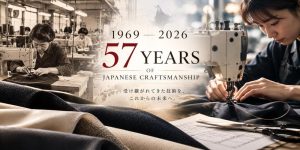
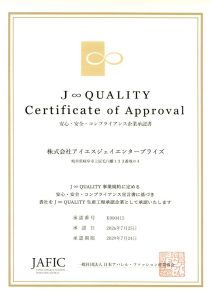
株式会社アイエスジェイエンタープライズは、1969年(昭和44年)の創業以来、岐阜県岐阜市を拠点に国内縫製に携わってきました。 2026年で創業57周年を迎えます。 当社では、婦人服を中心として、紳士服、ユニフォーム、さまざまな繊維製品の縫製に対応しております。 特に、素材の特性を理解した縫製、複雑な仕様への対応、熟練技術者の経験を活かした製品づくりを大切にしています。 また、国内の素材メーカーや関連企業とのネットワークを活用し、生地・副資材の国内調達を含む製品づくりについてもご相談を承っています。 2026年5月14日には、当社の「J∞QUALITY(Jクオリティ)」生産工程企業承認の更新登録が完了しました。 J∞QUALITYは、日本国内の生産工程を重視し、ものづくりの背景を明確にする取り組みです。 当社は、こうした取り組みも大切にしながら、日本製品の信頼性と技術力の向上に努めています。 単に洋服を縫うだけではなく、お取引先様の求める品質や商品価値を理解し、それを製品として実現していくこと。 それが、私たちの目指す国内縫製工場の姿です。8.価格競争だけでは、日本の縫製技術を未来へ残せない
国内縫製産業を取り巻く経営環境は、決して容易ではありません。 最低賃金の上昇、人材不足、社会保険料やエネルギーコストの負担、設備更新など、工場経営に必要な費用は増加しています。 一方、アパレル製品の価格競争は依然として厳しい状況にあります。 しかし、適正な利益を確保できなければ、設備投資も人材育成も進めることはできません。 縫製技術を次世代へ継承するためには、技術者が安心して働ける環境と、持続可能な経営基盤が必要です。 これは、縫製工場だけの問題ではありません。 国内生産を必要とするアパレルブランドや商社、そして商品を購入する消費者にも関わる課題です。 適正な価格で、価値ある商品をつくること。 それが、日本の縫製産業を未来へつないでいくために必要だと考えています。9.Made in Japanの本当の価値とは
日本製の価値は、単に生産国を示す表示だけで決まるものではありません。 製品に求められる品質を理解すること。 素材の特徴に合わせて縫製方法を工夫すること。 企画担当者と製造現場が細かな調整を重ねること。 熟練した技術を安定した品質として再現すること。 そして、その技術を次の世代へと受け継いでいくこと。 こうした積み重ねが、日本のものづくりを支えています。 海外生産にも国内生産にも、それぞれの役割と価値があります。 だからこそ私たちは、単なる価格比較にとどまらず、商品づくり全体を見据えた提案を大切にしていきたいと考えています。 価格だけでは測れない価値を、一着の洋服に。 株式会社アイエスジェイエンタープライズは、これからも岐阜の地から、Made in Japanの可能性を追求し続けます。 岐阜から、日本へ。そして世界へ。国内縫製・日本製OEM・縫製委託加工をご検討の企業様へ
株式会社アイエスジェイエンタープライズでは、国内縫製工場として、サンプル製作から小ロット生産、量産まで、製品の特性に応じた縫製のご相談を承っております。 高級婦人服、紳士服、ユニフォーム、難素材を使用した製品、複雑な縫製仕様の商品など、幅広いご相談に対応いたします。 また、生地や副資材をご支給いただくCMT(裁断・縫製・仕上げ等の委託加工)や、国内での資材調達を含むOEMについてもご相談いただけます。 生産の可否、加工賃、最低ロット、納期などは、製品仕様や生産数量、工場の稼働状況によって異なります。 ご相談の際には、デザイン資料、縫製仕様書、パターン、生地・副資材の情報、生産予定数量、ご希望納期などをご提示いただくと、より具体的な検討が可能です。 日本国内での生産をご検討のアパレルブランド様、商社様、OEMメーカー様は、ぜひお気軽にお問い合わせください。株式会社アイエスジェイエンタープライズ
創業:1969年(昭和44年)3月1日
所在地:岐阜県岐阜市
事業内容:国内縫製・日本製OEM・縫製委託加工・アパレル製品製造
お問い合わせ:https://isj-enterprise.com/contact/
参考情報
- 経済産業省「繊維産業の現状と政策について」
- 経済産業省「繊維産業における適正取引の推進」
- 株式会社アイエスジェイエンタープライズ「国内縫製・日本製OEMのご案内」
- 株式会社アイエスジェイエンタープライズ「J∞QUALITY生産工程企業承認 更新登録のお知らせ」
Overseas vs. Japanese Garment Manufacturing: What Are the Real Differences? The Value of Made in Japan Beyond Price
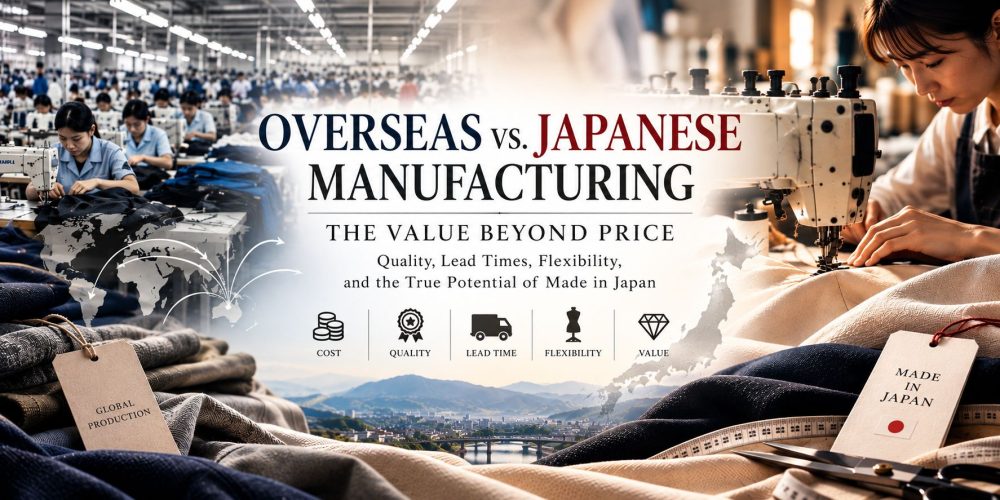
Beyond Manufacturing Costs — Quality, Lead Times, Flexibility, and the True Potential of Made in Japan When producing apparel products, many companies face an important decision: Should they manufacture overseas or in Japan? There are numerous garment factories around the world, particularly in countries such as China, Vietnam, Bangladesh, and India. Overseas manufacturing plays an essential role in today’s global apparel industry, supported by competitive production costs and large-scale manufacturing capabilities. Meanwhile, Japan has a long tradition of garment manufacturing expertise and offers distinct advantages through domestic production. So, what are the real differences between overseas and Japanese garment manufacturing? Simply comparing the sewing cost per garment is not enough to determine which option is more advantageous. What truly matters is not just how much it costs to sew a garment, but what kind of product can be delivered, at what level of quality, under what conditions, and at what total cost. Founded in 1969, ISJ Enterprise Co., Ltd., a Japanese garment manufacturer based in Gifu, examines these differences from the perspective of the manufacturing industry.
1. Manufacturing Costs — The Lowest Price Is Not Always the Best Choice
When comparing overseas and domestic garment manufacturing, production cost is often the first factor considered. In general, large-scale manufacturing in countries with lower labor costs can achieve lower sewing costs than production in Japan. This cost advantage can be particularly significant for standardized products manufactured continuously in large quantities. However, the total cost of a garment is not determined by sewing charges alone. Fabric and trim procurement, sample development, specification changes, transportation, customs clearance, quality inspections, rework, and inventory storage all contribute to the overall cost of production. For example, when large quantities of garments manufactured overseas do not sell as expected, brands may face additional costs associated with markdowns, inventory storage, or unsold stock. On the other hand, if a brand can manufacture smaller quantities domestically and adjust production according to actual demand, it may be possible to reduce inventory risks even when the unit manufacturing cost is higher. Of course, domestic production is not necessarily the most economical option for every product. The important point is to compare the total cost of bringing a product to market, rather than focusing solely on the sewing cost per garment.2. Quality — Why “Made in Japan Means High Quality” Is No Longer Enough
Japanese sewing factories have long been recognized for their precise craftsmanship and meticulous finishing techniques. However, the technical capabilities of overseas manufacturers have also improved significantly. Many overseas factories now operate advanced manufacturing equipment and sophisticated quality management systems. Therefore, it would be inaccurate to assume that all Japanese-made products are necessarily superior or that overseas products are inherently lower in quality. Actual product quality depends on each factory’s technical expertise, equipment, production management, inspection procedures, and understanding of product specifications. Nevertheless, domestic Japanese manufacturing offers an important advantage: closer communication between product developers and the manufacturing floor. For example, in luxury womenswear, differences of just a few millimeters in sewing or construction can influence a garment’s silhouette, fit, and comfort. Delicate fabrics, silk, and highly stretchable materials require careful consideration of their individual characteristics and the selection of appropriate sewing techniques. The ability for designers, production managers, and sewing technicians to review and refine these details together is one of the valuable characteristics of domestic manufacturing. Quality is not simply about how a finished garment looks. It also means understanding the designer’s intentions and consistently reproducing the required standards throughout production.3. Sample Development and Specification Changes — Factors That Influence Product Development Speed
In apparel product development, the first sample does not always proceed directly to mass production. Once an initial sample has been produced, various adjustments may become necessary. “We would like to refine the sleeve silhouette.” “The fit around the waist needs improvement.” “We have changed the fabric, so the sewing method needs to be reconsidered.” “We would like to modify the seam allowance or stitching specifications.” These adjustments are particularly important in the development of luxury womenswear and designer collections. Overseas manufacturing can also support efficient communication through online meetings and digital data sharing. However, international sample transportation and physical product inspections may require additional time. With domestic production in Japan, exchanging physical samples and arranging factory meetings can be relatively straightforward. Fabric texture, garment silhouettes when worn, and detailed sewing specifications can often be evaluated more effectively through direct examination than through photographs or digital images alone. The more revisions a product requires during development, the more important close communication between the brand and its manufacturing partner becomes.4. Lead Times — Domestic Manufacturing Is Not Always Faster
Shorter lead times are often cited as an advantage of Japanese domestic garment manufacturing. However, producing a garment in Japan does not automatically mean that its manufacturing time will be shorter than overseas production. Actual lead times depend on production quantities, product complexity, material availability, and factory capacity. Overseas manufacturing also requires consideration of international transportation, customs clearance, and domestic delivery after production. When ocean freight is used, additional time may be necessary between completion at the factory and arrival at a domestic distribution center. With Japanese domestic manufacturing, international shipping and import customs procedures are generally unnecessary for the finished garments delivered within Japan. This can reduce certain logistical procedures and transportation lead times. Another potential advantage is the ability to review production issues and make adjustments domestically. However, rapid replenishment and sudden schedule changes still require available production capacity and secured materials. The key is not simply to compare the shortest possible manufacturing lead time, but to manage the entire process from product development to final delivery.5. Small-Lot Production and Inventory Risk — Responding to Changes in the Apparel Industry
In recent years, apparel brands have increasingly recognized the importance of adjusting production quantities according to actual sales performance. Rather than committing exclusively to large production runs in advance, some brands now use e-commerce data and social media responses to help determine consumer demand. Under this approach, brands begin with smaller initial production quantities and consider additional production when products perform well. Domestic garment manufacturers can offer the advantage of close communication with clients when discussing production quantities, specifications, and possible replenishment. However, overseas factories have also expanded their capabilities in small-lot manufacturing. As a result, the ability to manufacture small quantities is no longer sufficient by itself to differentiate Japanese factories. Brands must evaluate the complete manufacturing process, including initial production, additional orders, quality consistency, material procurement, lead times, and the costs associated with production changeovers. Small production runs generally involve higher setup costs per garment. For this reason, it is essential for brands and factories to discuss appropriate manufacturing fees and production conditions before placing orders. A sustainable manufacturing relationship requires a balance between production flexibility, quality, cost, and realistic delivery commitments.6. Different Products Require Different Manufacturing Strategies
Overseas and Japanese domestic manufacturing each offer their own advantages. When Overseas Manufacturing May Be Suitable Overseas production can be particularly effective for products with finalized specifications, predictable demand, and sufficiently large production quantities to achieve economies of scale. It may also be appropriate when production schedules can be established well in advance and sufficient time is available for international transportation. When Japanese Domestic Manufacturing May Be Suitable Domestic production can be particularly attractive for luxury womenswear, designer garments, technically demanding fabrics, complex sewing specifications, limited-edition collections, and products requiring repeated sample revisions. It may also be suitable for products where manufacturing in Japan contributes to the brand’s identity, positioning, and perceived value. Of course, these are general considerations. Actual suitability depends on each factory’s expertise, production capacity, manufacturing conditions, and the specific requirements of the product. At ISJ Enterprise Co., Ltd., we do not consider overseas and domestic manufacturing to be opposing approaches. A combination of both can be a rational strategy. For example, brands may choose overseas production for standardized, high-volume products while selecting Japanese manufacturing for premium collections or products requiring detailed technical coordination. The essential question is not simply, “Where is it cheaper to manufacture?” but rather, “Where can this product achieve its greatest overall value?”7. Founded in 1969 — Manufacturing Expertise Developed in Gifu, Japan
ISJ Enterprise Co., Ltd. has been engaged in domestic garment manufacturing in Gifu City, Japan, since its founding in 1969. In 2026, we celebrate our 57th anniversary. Our company manufactures a variety of textile and apparel products, primarily womenswear, as well as menswear and uniforms. We place particular importance on understanding fabric characteristics, handling complex sewing specifications, and utilizing the knowledge and experience of skilled sewing technicians. We also welcome discussions regarding product development that involves domestic fabric and trim procurement through our network of Japanese textile manufacturers and related companies. On May 14, 2026, our company’s renewal registration as an approved manufacturing-process company under the J∞QUALITY (J-Quality) certification program was completed. J∞QUALITY is an initiative that emphasizes manufacturing processes carried out in Japan and promotes greater transparency regarding the origins and production background of Japanese-made products. We value initiatives such as this as part of our continuing efforts to strengthen the reliability and technical standards of Japanese manufacturing. Our objective is not simply to sew garments. It is to understand the quality standards and product value that our clients seek, and to help translate those expectations into finished products. That is the kind of Japanese garment manufacturer we strive to be.8. Price Competition Alone Cannot Preserve Japanese Sewing Expertise
The business environment surrounding Japan’s domestic garment manufacturing industry remains challenging. Rising minimum wages, labor shortages, employer social insurance contributions, energy expenses, and the need to maintain and replace manufacturing equipment are all increasing operating costs. At the same time, price competition in the apparel industry remains intense. However, without appropriate profitability, sewing factories cannot continue investing in new equipment or developing skilled workers. Passing technical expertise on to future generations requires both a stable working environment and a sustainable business foundation. This is not an issue that concerns sewing factories alone. It also affects apparel brands, trading companies, and consumers who value the continued availability of domestically manufactured products. Creating valuable products at fair and sustainable prices is essential to preserving Japanese garment manufacturing for the future. We believe responsible pricing and long-term cooperation between manufacturers and their clients are necessary for maintaining Japan’s manufacturing capabilities.9. What Is the True Value of Made in Japan?
The value of a Japanese-made product cannot be determined solely by the country-of-origin label. It comes from understanding the quality requirements of the product. Selecting sewing methods that suit the characteristics of each fabric. Maintaining close communication between product development teams and manufacturing specialists. Reproducing technically demanding specifications with consistent quality. And passing valuable craftsmanship and manufacturing knowledge on to future generations. These accumulated efforts form the foundation of Japanese manufacturing. Both overseas and domestic production have important roles to play in the global apparel industry. That is why we believe manufacturing decisions should consider the entire product development and production process, rather than focusing exclusively on price comparisons. Beyond Price — Bringing Real Value to Every Garment. ISJ Enterprise Co., Ltd. will continue exploring the possibilities of Made in Japan, building on the craftsmanship and manufacturing expertise developed in Gifu. From Gifu, to Japan, and to the World.For Apparel Brands and Companies Considering Japanese OEM and Contract Garment Manufacturing
ISJ Enterprise Co., Ltd. welcomes inquiries regarding domestic Japanese garment manufacturing, from sample development and small-lot production to larger manufacturing orders. We provide sewing and manufacturing services for a wide range of products, including luxury womenswear, menswear, uniforms, garments made from technically demanding fabrics, and products requiring complex sewing specifications. We also welcome inquiries regarding CMT (Cut, Make, Trim) contract manufacturing, using fabrics and materials supplied by clients, as well as OEM production involving domestic material procurement. Production feasibility, manufacturing costs, minimum order quantities, and lead times depend on the product specifications, order volume, and available factory capacity. To help us evaluate your project, we recommend providing relevant materials such as design sketches, technical specifications, patterns, fabric and trim information, estimated production quantities, and requested delivery dates. If you are an apparel brand, trading company, or OEM manufacturer considering production in Japan, please feel free to contact us. We look forward to working with companies that share our commitment to quality, craftsmanship, and the future of Japanese manufacturing.ISJ Enterprise Co., Ltd.
Founded: March 1, 1969
Location: Gifu City, Gifu Prefecture, Japan
Business Activities: Japanese Garment Manufacturing, Made-in-Japan OEM, Contract Sewing and CMT Manufacturing, and Apparel Production
Contact Us: https://isj-enterprise.com/contact/
References
- Ministry of Economy, Trade and Industry (METI), Japan — Current Status and Policies for the Textile Industry
- Ministry of Economy, Trade and Industry (METI), Japan — Promotion of Fair Business Transactions in the Textile Industry
- ISJ Enterprise Co., Ltd. — Domestic Garment Manufacturing and Made-in-Japan OEM Services
- ISJ Enterprise Co., Ltd. — J∞QUALITY Manufacturing Process Certification Renewal Announcement
OTHERSその他の記事


TOPIC
2026.2.9
Japan Qualityの真髄。岐阜の縫製工場(sewing factory)が証明する、品質・倫理・技能の三位一体。国内縫製工場アイエスジェイエンタープライズ
続きをみる
TOPIC
2026.1.14
【ISJ Enterprise】縫製生産・ご相談フォーム公開のお知らせ(Google Form)Announcement: Sewing Production & Inquiry Form Now Available. garment factory
続きをみる
TOPIC
2026.1.10
世界が憧れる「Made in Japan」を、御社のブランドへ。Bring the World’s Most Admired “Made in Japan” to Your Brand. garment factory
続きをみる
TOPIC
2026.1.10
サンプル〜量産までの流れ:初回お問い合わせでご用意いただきたい資料 From Sampling to Bulk Production: What to Prepare for Your First Inquiry
続きをみる
TOPIC
2026.1.7
For Global Luxury Brands ISJ Enterprise Co., Ltd. (Gifu City, Japan) – Japanese Sewing Factory. garment factory
続きをみるCONTACTお問い合わせ
縫製をご依頼されたい法人様へ
まずはお気軽にお問い合わせください。
 お問い合わせ