BLOG
ブログ
NEW
2026.10.16
日本の縫製工場が消えていく時代。それでも国内生産を続ける理由
日本の縫製工場が消えていく時代。それでも国内生産を続ける理由
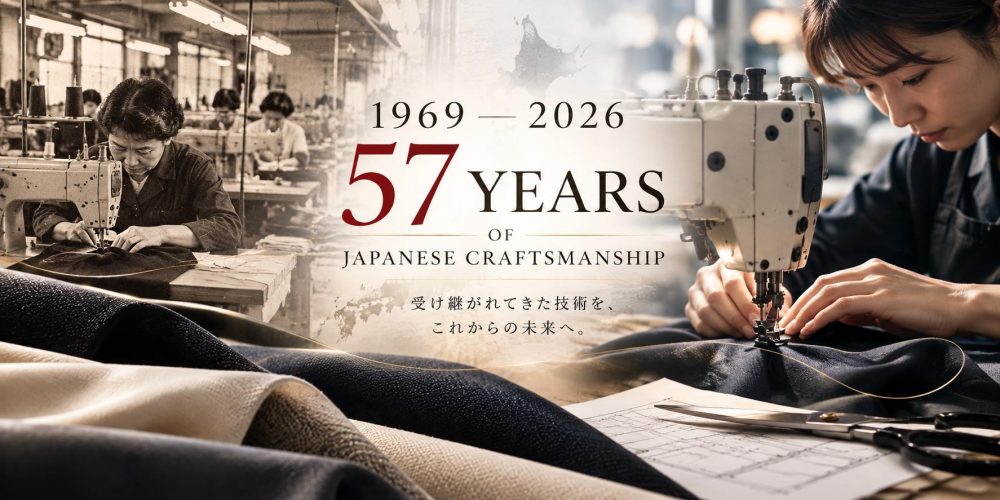
― 創業57年。岐阜から守り続ける、日本のものづくりと職人の技術 ― かつて日本には、全国各地に数多くの縫製工場が存在していました。 工業用ミシンの音が響く工場。熟練の職人たちが一着一着を丁寧に縫い上げ、その技術を次の世代へと受け継いでいく日常。 日本のアパレル産業を支えていたのは、こうした地域の縫製工場でした。 しかし現在、その風景は大きく変わりつつあります。 海外生産への移行、国内市場の変化、人材不足、後継者問題、そして製造コストの上昇。 さまざまな要因が重なり、長年にわたって日本の衣料品生産を支えてきた工場が、次々と姿を消しています。 そのような時代にあっても、私たち株式会社アイエスジェイエンタープライズは、岐阜の地で国内縫製を続けています。 なぜ、私たちは日本で服をつくり続けるのか。 それは、単に「日本製」という表示にこだわっているからではありません。 長年にわたり受け継がれてきた縫製技術には、これからの時代にも必要とされる価値があると信じているからです。
日本製衣料品は、わずか1.1%という現実
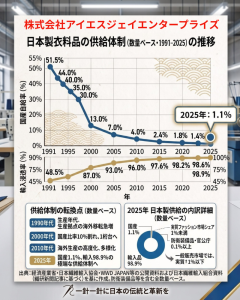
2026年6月、日本繊維輸入組合が発表した「日本のアパレル市場と輸入品概況2026年版」において、国内縫製業界の厳しい現状を示す数字が明らかになりました。 2025年に日本国内で供給された衣料品のうち、国産品が占める割合は、数量ベースでわずか1.1%。 前年の1.4%から、さらに低下しました。 1990年には50.1%あった国産比率は、約35年間で大幅に減少しています。 また、2025年の国内衣料品生産量は約5,341万点。2000年の約5億5,159万点と比較すると、約10分の1にまで減少しました。 この数字が示しているのは、単に日本製の洋服が少なくなったということだけではありません。 国内の生産基盤そのものが、長期にわたって縮小してきたという現実です。 そして、その影響は今後の日本のものづくりにも及ぶ可能性があります。なぜ、日本の縫製工場は減少し続けているのか
大きな転換点となったのは、1990年代以降に加速した海外生産への移行です。 衣料品の低価格化が進む中、日本のアパレル企業は、中国をはじめとするアジア各国へ生産拠点を移していきました。 大量生産と低コストを実現できる海外工場は、日本の衣料品市場を支える重要な存在となりました。 一方、国内の縫製工場では、受注数量の減少と厳しい加工賃競争が続きました。 さらに近年では、最低賃金の引き上げ、社会保険料の負担、エネルギー価格の上昇、設備の老朽化、人材不足など、経営上の課題も増えています。 縫製業は、設備があれば誰でも同じ製品をつくれる産業ではありません。 多くの工程に人の技術が必要とされる、労働集約的な産業です。 そのため、働く人に適正な賃金を支払い、設備を維持し、次世代の技術者を育てながら事業を継続するには、それに見合った適正な加工賃が必要となります。 良いものを、安くつくり続けるだけでは、国内の縫製産業を未来へ残すことはできません。 この問題は、縫製工場だけではなく、日本のものづくり全体で考えていかなければならない課題だと感じています。一度失われた縫製技術を取り戻すことは容易ではない
私たちが最も危惧していることの一つが、縫製技術の継承です。 一着の洋服を完成させるためには、さまざまな技術が必要です。 生地の性質を見極めること。正確に裁断すること。美しいシルエットを実現すること。 素材に応じてミシンや縫製条件を調整し、難しい仕様を安定した品質で仕上げ、完成した製品を厳しい目で検品すること。 こうした技術は、教科書やマニュアルだけで簡単に身につくものではありません。 実際の製造現場で、何年もの経験を積み重ねながら習得していくものです。 特に高級婦人服では、ほんのわずかな縫製の違いが、着用した際のシルエットや商品の仕上がりに影響することがあります。 熟練した技術者が持つ経験や感覚は、非常に重要な財産です。 しかし、工場が廃業し、技術者が現場を離れれば、その技術を次世代へ伝える機会も失われてしまいます。 工場が一つなくなるということは、単に生産設備が減るということではありません。そこに蓄積されてきた技術や経験まで失われる可能性があるということです。 私たちは、そのことに強い危機感を持っています。1969年創業。岐阜の縫製産業とともに歩んだ57年
株式会社アイエスジェイエンタープライズの歴史は、1969年(昭和44年)3月1日に始まりました。 創業者である井川勝美が、個人事業として「井川縫製」を立ち上げたことが原点です。 当時の岐阜県岐阜市は、日本有数のアパレル産地として活気にあふれていました。 地域には多くの縫製工場や関連企業が存在し、工業用ミシンの音が日常の風景の一部となっていました。 1976年には岐阜市に社屋を構え、1988年に法人化。 2009年には井川貴裕が代表取締役に就任し、2010年に株式会社アイエスジェイエンタープライズへと社名を変更しました。 そして2026年、創業57周年を迎えました。 この57年間、日本のアパレル産業は大きく変化しました。 国内生産が当たり前だった時代から、海外生産が主流となった時代へ。 大量生産・大量消費の時代から、商品価値や生産背景が問われる時代へ。 私たちは、さまざまな変化を経験しながらも、国内での縫製技術を大切にしてきました。 それは、先代から受け継いだ事業を守るためだけではありません。 これまで培ってきた技術を活かし、次の時代にも必要とされる縫製工場であり続けたい。 その想いが、私たちのものづくりの原点です。国内生産を続ける理由。それは「日本で生産する価値」を追求するため
私たちは、海外生産を否定しているわけではありません。 現在の世界のアパレル産業において、海外工場は欠かすことのできない存在です。 海外にも高い技術力を持つ工場は数多く存在し、品質、小ロット対応、短納期など、さまざまな面で競争力を高めています。 だからこそ、国内縫製工場も変わり続けなければなりません。 私たちが追求するのは、単なる価格競争ではなく、製品そのものの価値を高めるものづくりです。 例えば、高級婦人服の美しいシルエットを実現するための繊細な縫製。 シルクや伸縮素材など、取り扱いに技術を必要とする素材への対応。 複雑なデザインや細かな仕様変更への対応。 ブランドの意図を理解しながら進めるサンプル製作。 そして、企画から完成品までの細やかなコミュニケーション。 こうした取り組みを通じて、お取引先様の商品価値を高めることが、私たちの役割だと考えています。 日本で生産すること自体を目的とするのではなく、日本で生産するからこそ実現できる価値を生み出す。 その考え方を大切にしています。日本の縫製産業を守るためには、働く人を守ることも必要
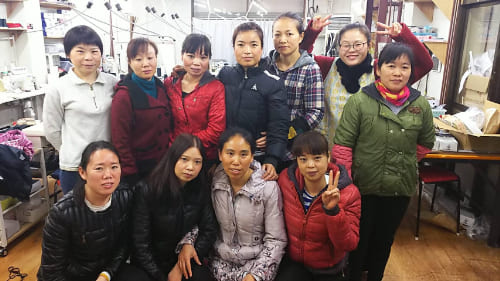
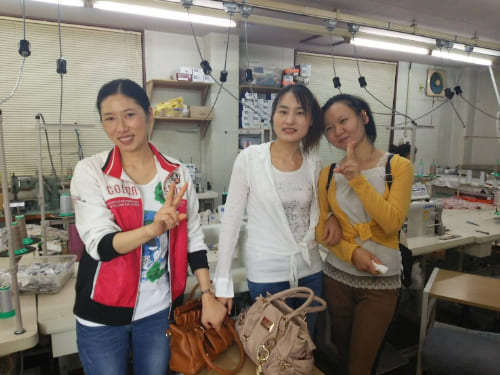
国内縫製を持続可能な産業にしていくためには、技術力だけでなく、働く人を大切にする経営も欠かせません。 優れた縫製技術を次世代へ伝えるためには、若い人材が安心して働ける環境を整え、技術を学び、成長できる仕組みが必要です。 また、日本人・外国人を問わず、働く人の権利が尊重され、適正な労働環境が確保されることも重要です。 株式会社アイエスジェイエンタープライズでは、これまでも外国人材との共生や、適正な労務管理、人材育成などに取り組んできました。 国内縫製の未来を考えるとき、守るべきものは設備や技術だけではありません。 その技術を支えている「人」こそが、何より大切な存在です。 そして、継続的な雇用と技術継承を実現するためには、縫製工場が適正な利益を確保し、将来へ投資できる経営基盤を築くことが必要です。 ものづくりを守ることは、そこで働く人の未来を守ることでもあります。日本製の価値を、世界へ。そして次世代へ。
2026年現在、日本の衣料品供給に占める国産品の割合は、2025年実績でわずか1.1%。 国内縫製産業を取り巻く環境が、今後すぐに好転するとは限りません。 しかし、だからこそ私たちは、日本に残された縫製技術の価値をさらに高めていかなければならないと考えています。 日本には、世界に誇る繊維素材、加工技術、縫製技術、そして長い歴史の中で培われたものづくりの文化があります。 それらを新しい発想や技術と組み合わせることで、国内縫製産業には、まだ多くの可能性があると信じています。 ただ伝統を守るだけではなく、時代に合わせて変革すること。 新しい素材や製品に挑戦すること。 働く人が誇りを持てる工場をつくること。 そして、日本のものづくりを必要とする国内外のブランドへ、その価値を届けること。 それが、これからの国内縫製工場に求められる役割だと考えています。岐阜から、これからも「Made in Japan」を。
株式会社アイエスジェイエンタープライズは、1969年の創業以来、岐阜の地で国内縫製に携わってまいりました。 私たちは、これからも日本製衣料品の可能性を信じています。 決して簡単な道ではありません。 それでも、これまで受け継いできた技術を大切にしながら、新しいものづくりへの挑戦を続けてまいります。 日本の縫製工場が減少していく時代だからこそ、私たちは国内生産を続けることに意味があると考えています。 それは、過去の技術を守るためだけではなく、未来の日本のものづくりに新しい可能性を残すためです。 一着の洋服に込められた技術と誇りを、次の世代へ。 岐阜から、日本へ。そして世界へ。 私たちはこれからも、Made in Japanの価値を追求し続けます。国内縫製・日本製委託加工をご検討の企業様へ
株式会社アイエスジェイエンタープライズでは、国内縫製工場として、婦人服を中心に、紳士服、ユニフォームなど、さまざまな製品の生産に対応しております。 高級婦人服、難素材、複雑な縫製仕様、サンプル製作、小ロット生産から量産まで、製品の特性や生産条件に応じてご相談を承ります。 日本国内での生産をご検討のアパレルブランド様、商社様、OEMメーカー様は、ぜひお気軽にお問い合わせください。 日本のものづくりを大切にする皆様とともに、新しい価値を生み出していきたいと考えています。株式会社アイエスジェイエンタープライズ
創業:1969年(昭和44年)3月1日
所在地:岐阜県岐阜市上尻毛八幡133番地の4
事業内容:国内縫製・日本製OEM・婦人服縫製・アパレル製品製造
お問い合わせ:https://isj-enterprise.com/contact/
参考資料
- 日本繊維輸入組合「日本のアパレル市場と輸入品概況2026年版」(2026年6月25日発表)
- WWDJAPAN「アパレルの国産比率『1.1%』に 四半世紀で生産量10分の1」(2026年6月25日)
- 経済産業省「繊維産業」関連政策資料
- 株式会社アイエスジェイエンタープライズ「会社概要・沿革」
Why We Continue Manufacturing in Japan as Domestic Sewing Factories Disappear
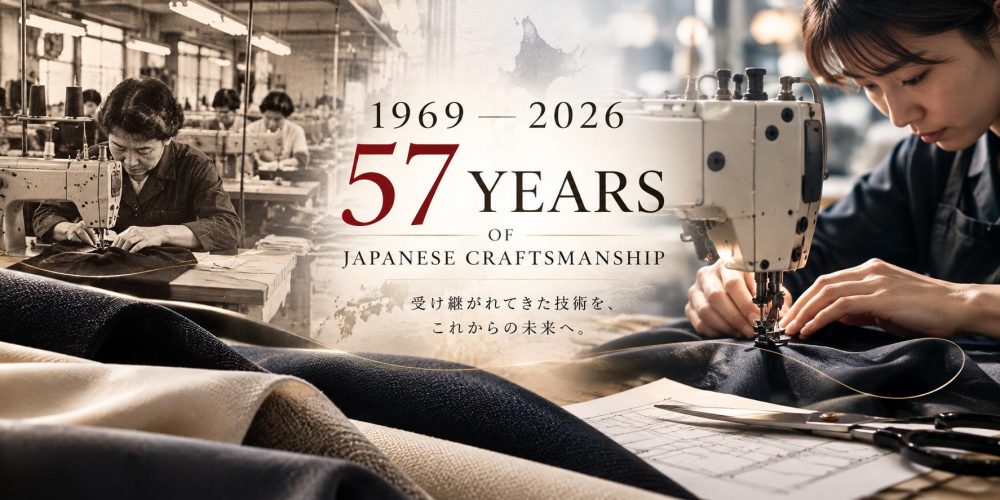 57 Years of Craftsmanship — Preserving Japanese Manufacturing and Skilled Sewing Techniques in Gifu
There was once a time when sewing factories could be found throughout Japan.
The sound of industrial sewing machines filled workshops, while experienced craftspeople carefully produced garments, one piece at a time.
Skills and techniques were passed down from one generation to the next, forming an essential part of everyday manufacturing.
These regional sewing factories formed the foundation of Japan’s apparel industry.
Today, however, that landscape is changing dramatically.
The shift toward overseas production, changes in the domestic apparel market, labor shortages, succession challenges, and rising manufacturing costs have all contributed to the decline of Japan’s sewing industry.
As a result, many factories that supported Japanese garment manufacturing for decades have closed.
Despite these challenging circumstances, ISJ Enterprise Co., Ltd. continues to manufacture garments in Gifu, Japan.
Why do we continue making clothing in Japan?
It is not simply because we want our products to carry a “Made in Japan” label.
It is because we believe that the sewing skills and craftsmanship developed and passed down over generations still hold significant value for the future.
57 Years of Craftsmanship — Preserving Japanese Manufacturing and Skilled Sewing Techniques in Gifu
There was once a time when sewing factories could be found throughout Japan.
The sound of industrial sewing machines filled workshops, while experienced craftspeople carefully produced garments, one piece at a time.
Skills and techniques were passed down from one generation to the next, forming an essential part of everyday manufacturing.
These regional sewing factories formed the foundation of Japan’s apparel industry.
Today, however, that landscape is changing dramatically.
The shift toward overseas production, changes in the domestic apparel market, labor shortages, succession challenges, and rising manufacturing costs have all contributed to the decline of Japan’s sewing industry.
As a result, many factories that supported Japanese garment manufacturing for decades have closed.
Despite these challenging circumstances, ISJ Enterprise Co., Ltd. continues to manufacture garments in Gifu, Japan.
Why do we continue making clothing in Japan?
It is not simply because we want our products to carry a “Made in Japan” label.
It is because we believe that the sewing skills and craftsmanship developed and passed down over generations still hold significant value for the future.
The Reality: Only 1.1% of Clothing Supplied in Japan Is Made Domestically
In June 2026, the Japan Textiles Importers Association released its report, The Japanese Apparel Market and Overview of Imports 2026, revealing figures that highlight the increasingly difficult situation facing Japan’s domestic garment manufacturing industry. In 2025, domestically produced clothing accounted for just 1.1% of the total apparel supply in Japan by volume. This represented a further decline from 1.4% in the previous year. In 1990, domestically manufactured garments accounted for 50.1% of Japan’s apparel supply. Over approximately 35 years, that percentage has fallen dramatically. Furthermore, Japan’s domestic apparel production volume in 2025 was approximately 53.41 million pieces. Compared with approximately 551.59 million pieces produced in 2000, domestic production has decreased to roughly one-tenth of its former level. These figures reveal more than just the declining availability of Japanese-made clothing. They demonstrate the long-term contraction of Japan’s domestic garment manufacturing infrastructure. This decline could have significant consequences for the future of Japanese craftsmanship and manufacturing.Why Are Japanese Sewing Factories Continuing to Disappear?
One of the major turning points came during the 1990s, when Japanese apparel companies accelerated the relocation of manufacturing operations overseas. As demand for lower-priced clothing increased, production shifted toward China and other Asian countries. Overseas factories, with their capacity for large-scale manufacturing and lower production costs, became essential suppliers to the Japanese apparel market. Meanwhile, domestic sewing factories faced declining orders and increasingly intense competition over sewing and processing fees. In recent years, additional challenges have emerged. Rising minimum wages, employer social insurance contributions, higher energy costs, aging equipment, and labor shortages have placed further pressure on domestic manufacturers. Garment manufacturing is not an industry in which identical products can be produced simply by installing machinery. It remains a labor-intensive industry that depends heavily on human expertise throughout the production process. To maintain operations while paying fair wages, maintaining equipment, and training future generations of skilled workers, sewing factories must receive appropriate compensation for their manufacturing services. Japanese garment manufacturing cannot survive into the future if factories are expected to continuously produce high-quality products at unsustainably low prices. We believe this is an issue that must be considered not only by sewing factories, but also by the entire Japanese manufacturing industry.Once Sewing Skills Are Lost, Rebuilding Them Is Extremely Difficult
One of our greatest concerns is the preservation and transfer of sewing expertise. Producing a single garment requires many different skills. Understanding the characteristics of each fabric. Cutting materials with precision. Creating beautiful silhouettes. Adjusting sewing machines and stitching conditions according to the material. Maintaining consistent quality when handling complicated designs and specifications. And carefully inspecting each finished product. These skills cannot be fully acquired simply by reading textbooks or following manuals. They are developed through years of practical experience on the manufacturing floor. In luxury womenswear, even a small difference in sewing technique can influence the silhouette, fit, and overall appearance of a finished garment. The experience, judgment, and sensitivity developed by skilled sewing technicians are invaluable assets. However, when a factory closes and experienced workers leave the industry, opportunities to pass those skills on to the next generation may disappear as well. When a sewing factory closes, it is not merely production equipment that is lost. Decades of accumulated knowledge, craftsmanship, and technical experience may also disappear. We recognize this as one of the most serious challenges facing Japanese garment manufacturing.Founded in 1969 — 57 Years Alongside Gifu’s Apparel Industry
The history of ISJ Enterprise Co., Ltd. began on March 1, 1969. Our founder, Katsumi Ikawa, established the business as a privately operated sewing workshop under the name Ikawa Sewing. At that time, Gifu City was one of Japan’s major apparel manufacturing centers. The region was home to numerous sewing factories and related businesses, and the sound of industrial sewing machines was a familiar part of everyday life. In 1976, the company established its own premises in Gifu City. The business was incorporated in 1988. In 2009, Takahiro Ikawa became Representative Director, and in 2010, the company adopted its current name, ISJ Enterprise Co., Ltd. In 2026, we proudly celebrate our 57th anniversary. Over these 57 years, Japan’s apparel industry has undergone enormous changes. From an era when domestic production was the standard to one in which overseas manufacturing became dominant. From mass production and mass consumption to a market increasingly concerned with product value, craftsmanship, and manufacturing transparency. Throughout these changes, we have continued to value and preserve the sewing expertise developed in Japan. This commitment is not simply about protecting the business inherited from the previous generation. We want to continue applying the skills we have developed and remain a sewing manufacturer that is valued and needed by future generations. That commitment remains at the heart of our manufacturing philosophy.Why We Continue Manufacturing in Japan: Pursuing the Value of Domestic Production
We do not believe that overseas manufacturing should be rejected. Overseas factories are indispensable to today’s global apparel industry. Many international manufacturers possess advanced technical capabilities and continue to improve their competitiveness in quality, small-lot production, and short lead times. That is precisely why Japanese sewing factories must also continue to evolve. Our goal is not to compete solely on price. Instead, we aim to create value through the quality and craftsmanship of the products we manufacture. For example, delicate sewing techniques that help create beautiful silhouettes in luxury womenswear. The ability to work with technically demanding fabrics, including silk and highly stretchable materials. Responding to complex designs and detailed specification changes. Producing samples while carefully understanding a brand’s design intentions. And maintaining close communication throughout the process, from product development to finished garments. Through these efforts, we believe our role is to help enhance the value of our clients’ products. Our objective is not simply to manufacture products in Japan, but to create meaningful value through the capabilities and advantages of Japanese domestic production. This philosophy guides our approach to manufacturing.Protecting Japanese Manufacturing Also Means Protecting the People Behind It
For domestic garment manufacturing to become a sustainable industry, technical expertise alone is not enough. Responsible management that values the people working in our factories is equally important. Passing sewing skills on to the next generation requires workplaces where young employees can feel secure, acquire technical knowledge, develop their abilities, and build long-term careers. It is also essential to respect workers’ rights and maintain appropriate working conditions, regardless of whether employees are Japanese or foreign nationals. At ISJ Enterprise Co., Ltd., we have worked to promote cooperation with foreign workers, appropriate labor management practices, and human resource development. When considering the future of domestic garment manufacturing, we must remember that equipment and technology are not the only assets worth preserving. The people whose skills make manufacturing possible are our most valuable resource. To maintain stable employment and ensure the continued transfer of technical knowledge, sewing factories must also build sustainable businesses that generate appropriate profits and allow for future investment. Protecting craftsmanship also means protecting the future of the people who make it possible.Bringing the Value of Japanese Manufacturing to the World and the Next Generation
As of 2026, the share of domestically manufactured clothing in Japan’s apparel supply remains just 1.1%, based on 2025 data. There is no guarantee that the difficult conditions surrounding Japan’s garment manufacturing industry will improve in the near future. Nevertheless, we believe these challenges make it even more important to strengthen the value of the sewing expertise that remains in Japan. Japan possesses internationally recognized textile materials, processing technologies, sewing techniques, and a manufacturing culture developed over many generations. By combining these traditional strengths with new ideas and technologies, we believe Japanese garment manufacturing still has significant potential. Our responsibility is not simply to preserve tradition. We must also adapt to changing times. We must challenge ourselves with new materials and products. We must create workplaces where employees can take pride in their craftsmanship. And we must communicate the value of Japanese manufacturing to brands in Japan and around the world that appreciate and require these capabilities. We believe these are the responsibilities of the next generation of domestic sewing manufacturers.From Gifu — Continuing Our Commitment to “Made in Japan”
Since our founding in 1969, ISJ Enterprise Co., Ltd. has remained committed to domestic garment manufacturing in Gifu, Japan. We continue to believe in the potential of Japanese-made apparel. The path ahead will not always be easy. Nevertheless, we will continue taking on new manufacturing challenges while respecting the expertise and craftsmanship passed down through generations. At a time when sewing factories across Japan are disappearing, we believe that continuing domestic production has a particularly important meaning. Our commitment is not only about preserving the skills of the past. It is about keeping new opportunities alive for the future of Japanese manufacturing. Passing the craftsmanship and pride embodied in every garment on to the next generation. From Gifu, to Japan, and to the world. We will continue pursuing the true value of Made in Japan.For Companies Considering Japanese Domestic Sewing and Contract Manufacturing
ISJ Enterprise Co., Ltd. is a domestic garment manufacturer based in Gifu, Japan. We manufacture a wide variety of apparel products, primarily womenswear, as well as menswear, uniforms, and other textile products. We welcome inquiries regarding luxury womenswear, technically demanding fabrics, complex sewing specifications, sample production, small-lot manufacturing, and larger production runs. Our manufacturing services are discussed and arranged according to each product’s characteristics, specifications, production quantities, and individual requirements. If you are an apparel brand, trading company, or OEM manufacturer considering domestic production in Japan, please feel free to contact us. We look forward to working with companies that share our appreciation for Japanese craftsmanship and are committed to creating new value through quality manufacturing.ISJ Enterprise Co., Ltd.
Founded: March 1, 1969
Location: 133-4 Kamishikke Hachiman, Gifu City, Gifu Prefecture, Japan
Business Activities: Domestic Sewing, Japanese Contract Garment Manufacturing, Textile Product Sewing, and Apparel Manufacturing
Contact Us: https://isj-enterprise.com/contact/
References
- Japan Textiles Importers Association, The Japanese Apparel Market and Overview of Imports 2026, published June 25, 2026.
- WWD JAPAN, Japan’s Domestic Apparel Production Share Falls to 1.1%, with Production Volume Declining to One-Tenth Over 25 Years, June 25, 2026.
- Ministry of Economy, Trade and Industry (METI), Japan — Textile Industry Policy and Related Materials.
- ISJ Enterprise Co., Ltd. — Company Profile and Corporate History.
OTHERSその他の記事



TOPIC
2026.2.9
Japan Qualityの真髄。岐阜の縫製工場(sewing factory)が証明する、品質・倫理・技能の三位一体。国内縫製工場アイエスジェイエンタープライズ
続きをみる
TOPIC
2026.1.14
【ISJ Enterprise】縫製生産・ご相談フォーム公開のお知らせ(Google Form)Announcement: Sewing Production & Inquiry Form Now Available. garment factory
続きをみる
TOPIC
2026.1.10
世界が憧れる「Made in Japan」を、御社のブランドへ。Bring the World’s Most Admired “Made in Japan” to Your Brand. garment factory
続きをみる
TOPIC
2026.1.10
サンプル〜量産までの流れ:初回お問い合わせでご用意いただきたい資料 From Sampling to Bulk Production: What to Prepare for Your First Inquiry
続きをみる
TOPIC
2026.1.7
For Global Luxury Brands ISJ Enterprise Co., Ltd. (Gifu City, Japan) – Japanese Sewing Factory. garment factory
続きをみる
TOPIC
2026.1.7
サプライチェーンの安定と国内回帰の重要性(garment factory)──今、「メイド・イン・ジャパン」が選ばれる確かな理由 日本製国内縫製工場アイエスジェイエンタープライズ
続きをみるCONTACTお問い合わせ
縫製をご依頼されたい法人様へ
まずはお気軽にお問い合わせください。
 お問い合わせ